Bernd Marin – sociologist – in two op-eds has criticized talking to Iran on nuclear issues in scientific circles let alone engage that country in a long-term perspective. He attacked those who promote these strategies as either fools or collaborators (excerpts of Marins comment are published below my op-ed). Find below my response in an op-ed exclusively published by the Austrian daily ‘Der Standard’ on January 25th, 2007.
Mit heiligem Zorn stürzt sich Bernd Marin in die Debatte über die Schrecknisse eines nuklearen Iran; dabei ist doch bekannt, daß der Zorn der Erkenntnis zumeist im Wege steht; vor allem dann, wenn dieser sich aus jenem entlädt, der in sicherheitspolitischen Debatten bislang unbekannt war. Sich dem Dialog zu verweigern macht zwar nicht taub, aber dumm – denn dann bleibt der sozialwissenschaftliche Denker Gefangener seiner Ahnungen und Vorurteile, vielleicht auch seiner moralischen Gewissheiten, ohne zumindest zu erahnen, wie jene denken, die wir zurecht als bedrohlich, fanatisiert und gewaltbereit begreifen müssen.
Die nuklearen Begehrlichkeiten des Iran sind zwar nicht bewiesen, dennoch lassen die Anzeichen der Täuschung, der Tarnung und des Verbergens Zweifel, Misstrauen und Vorsicht aufkommen. Kaum noch lässt sich leugnen, dass das islamische Regime zumindest die nukleare Option anstrebt – um damit aber noch immer der massiven nuklearen Bewaffnung seiner Nachbarn Indien, Pakistan und Israel nachzuhinken.
Auch ist zu erahnen, dass eine nukleare Bewaffung Irans, die nukleare Option für Saudi Arabien, Ägypten, Syrien und der Türkei zwingend macht. Ganz sicher auch ist im demokratisch regierten Israel der Einsatz nuklearer Macht nur das letzte Mittel zur Verteidigung. Dasselbe kann von dem autoritären Regime in Iran leider nicht angenommen werden.
Dennoch ist es für die sozialwissenschaftliche Debatte unerlässlich, die Denkstrukturen, die Motive und Absichten derer zu erfahren, deren Gegnerschaft man fürchtet. Ziel ist dabei nicht, sich diesen anzudienen, zu verharmlosen oder gar – wie Marin schändlich unterstellt – zu kollaborieren.
Aber die Erforschung von Motivlagen und Perzeptionen zählt zu den grundlegenden Bausteinen sicherheitspolitischer Analyse. Vielleicht mag dies den Männern des heiligen Zorns und der festen Überzeugung zu mühsam oder gar als unnotwendig erscheinen. Wer sich dieser Mühen der Erkenntnis aber entzieht, fällt der Leichtigkeit des ideologischen Urteils und der verzerrten Deutung zum Opfer.
Überzeugungen sollten Erkenntnissen nicht im Weg stehen. Natürlich ist nicht zu bestreiten, dass Achmadi-nejad totalitären Wahnideen anhängt und vermutlich davon auch überzeugt ist. Es ist aber unrichtig zu leugnen, dass ihm mit Rafsandjani, Chamenei und Larijani andere Machtzentren entgegenstehen und ihn einhegen.
Hätte Iran eine nukleare Waffe, würde diese zweifellos nicht in den Händen des totalitären Eiferers landen. Auch ein nuklear bewaffneter Iran wird dadurch nicht zwangsläufig zum regionalen Aggressor.
Die nukleare Bewaffnung Irans gilt es dennoch, wenn möglich, zu verhindern – das Risiko nuklearer Rüstungseskalation kann zu gross werden, der Aufbau der strategischen Kultur der wechselseitigen Abschreckung ist keineswegs zwingend erreichbar, somit nukleare Erstschläge nicht undenkbar. Dazu gilt es, viele denkbare Möglichkeiten einzusetzen: harte, aber auch intelligente Sanktionen, die das nukleare Entwicklungsprogramm erschweren und verlangsamen können, ohne aber damit zwingend die aufgewühlte Bevölkerungsmehrheit im Taumel nationaler Geschlossenheitsbezeugungen hinter dem fanatisierten Gewaltrhetoriker zu sammeln.
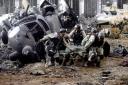
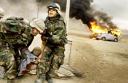
Verhandlungen sind aber ebenso unabdingbar, und es wäre wohl besser, diese ohne Vorbedingungen zu beginnen. Wer in Unterredungen den anderen zu Zugeständnissen bewegen will, darf von ihm nicht vorher verlangen, sein Gesicht zu verlieren. Militärische Luftschläge aber, die Marin anmahnt, sind das geistige Spielzeug derer, die in der Flamme des Krieges das beste Instrument zur Lösung nahöstlicher Verstrickungen sehen; wer darin verbrennen wird, ist in den Landstrichen zwischen Basra, Faluja und Bagdhad jeden Tag neu zu sehen. Bernd Marin sollte sich in die unzähligen Studien vertiefen, in denen die Untauglichkeit militärischer Präzisionsschläge nachgewiesen, die unermessliche militärische, humane und wirtschaftliche Eskalation einer Bodeninvasion durchleuchtet wird.
Wenn die Alternative die militärische Verwüstung des Iran ist, ohne auch dessen nukleares Wissen zu vernichten; wenn die militärische Verheerung den Weg zur iranischen Atombombe nur länger, aber nicht unbegehbar machte, sollte besser darüber nachgedacht werden, ob die iranische nukleare Bewaffnung akzeptiert und in einem regionalen Sicherheitssystem ausbalanciert werden kann.
Nach der Gewalt zu rufen, um Bedrohungen zu beseitigen, ist gerade dann eigenartig, wenn man diese durch Marins Gesprächs-, Denk- und Verhandlungsverweigerung gar nicht richtig versteht. Der Zorn darf nicht blind machen – auch wenn er angeblich heilig ist.
My comment was written in response to two op-eds of Bernd Marin. The main messages of these comments:
‘(….) Will oder kann man nicht verstehen: Politiker, deren Realitätssinn und Wahrheitsliebe sich am “historischen Ereignis Holocaust” zeigt, wie sie sich zeigt, die feindselig das “zionistische Gebilde” Israel “tilgen” wollen – mit Repräsentanten eines solchen Regimes trotzig ihre “friedliche” Atompolitik diskutieren anstatt sie zu boykottieren, das ist für alle, die die Erde nicht für flach und die Shoah oder 9/11 nicht für eine jüdische Weltverschwörung halten, irgendwie unfassbar.
Welcher Mensch bei Sinnen kann Friedensbeteuerungen solcher Realitätsleugner irgendeinen Glauben schenken? Oder Verhandlungen mit ihnen – ohne massive Sanktionsdrohungen – für sinnvoll halten?
(…)
Nur nützliche Idioten und Komplizen diskutieren Frieden mit Hitler, die “Rassenfrage” mit dem Apartheid-, und Atompolitik mit dem Mullah-Regime.
Denn islamistisch-faschistische Staaten, die Holocaustleugnung und Opferverhöhnung vom Präsidenten abwärts von Amts wegen betreiben, Terror fördern und anderen UN-Mitgliedern mit Auslöschung drohen, müssen mit allen, wirklich allen Mitteln bekämpft werden, juristischen, politischen, gesellschaftlichen, diplomatischen – und wenn nötig selbstverständlich auch militärischen.
Andernfalls würde die bittere Karikatur Wirklichkeit werden, in der Ahmadi-Nejad flammend ausruft “There is no Holocaust . . .” und auf einer zweiten Seite die Rede fortsetzend hinzufügt “. . . yet”.
Ob das mit friedlichen Mitteln allein noch zu verhindern ist, wird sich erst zeigen müssen.’
(DER STANDARD-Printausgabe, 22.1.2007)
The full text of Marins comments can be downloaded from http://www.euro.centre.org/detail_people.php?xml_id=83