
I apologize to my readers for this extremely long inactivity on this blog. It was due to heavy workload. Regular posting will start in a few days.
All posts by Gerhard_Mangott
… der phönix ist geboren ..
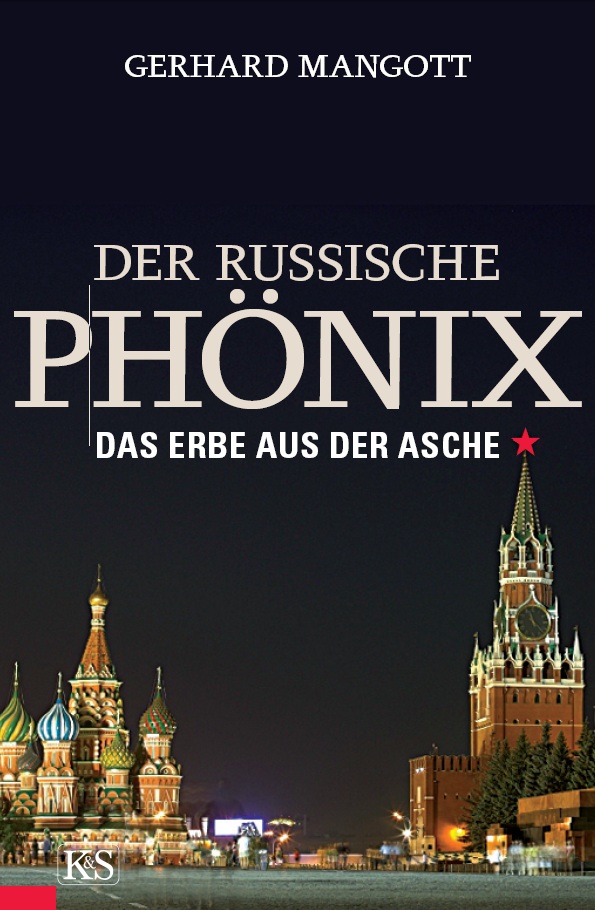 Mein neues Buch ‘Der russische Phönix. Das Erbe der Asche‘ ist geboren und an die Buchhandlungen ausgeliefert. Das Buch wird am 5. März in Wien in der Buchhandlung Thalia präsentiert. In Innsbruck wird das Buch am 12. März um 19.00 Uhr in der Buchhandlung Morawa vorgestellt. Das Buch zeichnet die politische und wirtschaftliche Entwicklung Russlands nach dem Zusammenbruch der Sowjetunion nach. Im Zentrum stehen die Jahre nach der Machtübernahme Vladimir Putins und seines Amtsnachfolgers Dmitri Medvedev. Das Buch setzt sich auch mit aussenpolitischen Kernfragen auseinander – der Energiesicherheit im Öl- und im Gassektor, den Georgien-Krieg, den Beziehungen zur Europäischen Union und zur USA und der Zukunft der strategischen Rüstungskontrolle.
… britischer kleinmut …
 Das britische Home Office hat dem niederländischen Abgeordneten der Freiheitspartei Geert Wilders die Einreise verweigert. Auf Einladung von Lord Pearson sollte Wilders’ islamismuskritischer Film Fitna im House of Lords vorgeführt werden. In gänzlicher Umkehrung der Schuldfrage bei möglichen gewalttätigen islamistischen Protesten wurde Wilders das Recht auf Bewegungs- und Meinungsfreiheit entzogen. Nicht der Gewalttäter wird verurteilt, sondern der Bürger, dessen Meinung von Fanatikern als Legitimation für gewalttätiges Handels missbraucht wird. Gänzlich dreist ist die Aussage des muslimischen Lord Ahmed, die Einreiseverweigerung wäre ein ‘kluger Akt’ gewesen, weil Wilders’ Anwesenheit ‘Hass erzeugen’ würde. Nun mag der Vorwurf Wilders könne ‘Hass’ erzeugen durchaus berechtigt sein; aber den ‘Hassern’, die möglicherweise zu Gewalt schreiten könnten, den Gefallen zu tun, das Hassobjekt in seinen Grundrechten zu beschneiden, zählt zu jenen selbstverleugnenden und feigen Reaktionen führungsunfähiger politischer Eliten, die immer häufiger zu beklagen sind. Nicht der islamistische Extremismus, der mit Gewalt die Meinungsfreiheit zu beschneiden versucht, sondern die freie Meinungsäusserung wird beschnitten – aus Angst. Damit geht der liberale Rechtsstaat in die Knie vor islamistischer Gewaltdrohung, islamistischer Aggression gegen die freie Meinungsäusserung. Die britische Regierung wird zum Kollaborateur der Gewalt.
Ein zutiest widerlicher und feiger Akt, eine jämmerliche Untwerfung unter islamistische Gewaltdrohung. Vielleicht sollte auch Salman Rushdie des Landes verwiesen werden, mit einem business-class Flugticket nach Teheren; Ayan Hirsi Ali würde sicherlich auch gerne Somalia besuchen. Schande!
Foto: http://www.faktor-g.de/2007/09/24/kundenbindung-ein-schreckliches-wort/
See: http://defendgeertwilders.wordpress.com/about/
… der eroberer von davos …
 Erdogan hat in Davos erneut demonstriert, wie er Auslandsauftritte für innenpolitische Zwecke manipuliert. So wie er in Köln vom angeblichen Verbrechen gegen die Menschlichkeit gesprochen hat, nur weil die deutsche Mehrheitsgesellschaft auch eine Integrationsleistung der türkischen Zuwanderer einfordert, gab er nun in Davos die Posse des muslimischen Übervaters, der die Belange der muslimischen Palästinenser heldenhaft verteidigt. Kaum war Erdogan nach Istanbul zurückgekehrt, wurde er von herangekarrten Demonstranten begeistert willkommen geheissen, als habe er eine Schlacht geschlagen. Eine billige Inszenierung für die anstehenden Wahlen, die erneut deutlich macht, wie unreif die politische Klasse der Türkei ist. Davos wird ihn sicher nicht vermissen, Brüssel sollte dies auch nicht tun.
… gas kaufen, wo es verkäufer gibt …
 Vorbehalte gegen das iranische Regime und sein Vorhaben, eine nukleare Waffenoption zu entwickeln, sind zwar nachvollziehbar; deswegen aber die Zusammenarbeit im Energiesektor zu blockieren, ist aus strategischen Überlegungen nicht zweckmäßig.
Zur Wahrung der Energieversorgung der EU-27 ist die Zusammenarbeit mit vielen autoritären Regimen erforderlich – von Saudi Arabien und anderen Golfstaaten über Algerien, Libyen und Russland bis Nigeria. Iran ist damit kein Einzelfall. Immerhin importieren die Mitgliedsstaaten der EU auch erhebliche Mengen an Rohöl aus dem Iran, allen voran Frankreich, Italien und Griechenland. Die OMV ist nicht der einzige Energiekonzern, der an iranischem Gas – immerhin 16 Prozent der globalen gesicherten Reserven – interessiert ist. Indien und China, und mittelfristig auch Japan, streben erhebliche Gasimporte aus Iran an. Die Errichtung eines Leitungsnetzes von Iran über Pakistan nach Indien – die so genannte ‚Friedenspipeline IPI‘ – könnte auch nach China verlängert werden. Auch ist ein Ausbau der LNG-Kapazitäten Irans zu erwarten, wodurch zusätzliche Exportmärkte erschlossen werden können. Zudem schickt sich die russsche Gazprom an, in den iranischen Markt massiv einzusteigen. Das iranische Regime wird also ohnehin aus dem Gasexport zusätzliche Exporteinnahmen gewinnen können.
Neben der USA ist es auch Russland, das kein Interesse am Erdgasexport Irans in die EU hat. Gazprom möchte den europäischen Markt exklusiv bedienen und wird alles daran setzen, Irans Gasexporte in die EU zu blockieren und nach Osten zu leiten. Der Verzicht der EU auf iranisches Gas wäre daher ein törichter Beitrag zur Errichtung eines Gaskartells, das erheblichen Preisdruck auf den europäischen Gasmarkt bewirken könnte.
Der Handel mit iranischem Gas kann die Stabilität des iranischen Regimes befördern; immerhin bezieht Iran 85 Prozent seiner Exporteinnahmen aus dem Öl- und Gassektor. Das trifft aber nicht nur auf den Iran zu, sondern auf eine Mehrheit der autoritären Staaten, mit denen die EU-27 im Energiesektor zusammenarbeiten. Den ethischen Gehalt dieser Verflechtungen zu diskutieren ist so legitim, wie die Betonung wechselseitiger Interessen. Das eine ist über das andere nicht erhaben.Ist das iranische Regime aber ein Sonderfall, der andere Regeln erforderte? Die Kritiker werfen der OMV vor, das multi- (VN) und bilaterale (USA) Sanktionsregime gegen Iran zu unterlaufen. Gerade philoisraelische Organisationen sehen in Sanktionen taugliche Mittel, um das Innen- und Außenverhalten des Iran zu beeinflussen. Wenn aber das iranische Regime rational genug ist, auf äußere Sanktionen zu reagieren, muss dem iranischen Regime auch zugebilligt werden, sein Verhalten in der nahöstlichen Region rational zu steuern.
Ist dann der Vorwurf, der Iran sei ein irrationales Regime, das selbst die Zerstörung des eigenen Landes in Kauf nehme, um Israel zu vernichten, gerechtfertigt? Als Ausdruck des irrationalen Herrschaftscharakters werden die Brandreden Ahmadi-nejads gegen das ‚zionistische Regime‘ angeführt; ist das wirre Gefasel des in der Machthierarchie Irans ohnehin marginalisierten Staatspräsidenten aber tatsächlich die Leitlinie der iranischen Außenpolitik; sind die Hetzreden nicht vielmehr an die eigene Bevölkerung gerichtet, um diese angesichts wirtschaftlicher und sozialer Härten nationalistisch zu mobilisieren?
Selbst wenn Iran die nukleare Option erwerben oder sogar in der Lage wäre, Trägersysteme nuklear zu bestücken, wäre deren Einsatz irrational, gerade gegen Israel. Irrational, weil die Zweitschlagsfähigkeit Israels nicht ausschaltbar ist und einen rational agierenden Iran ausreichend abschreckt. Auch die vielfach zitierte Erpressbarkeit Israels durch einen angedrohten nuklearen Schlag des Iran ist nicht gegeben, da auch in diesem Szenario die Abschreckungslogik greift.
Unbestritten ist die Rolle Irans als destabilisierende Kraft in der Region – durch die militärische Unterstützung für einige schiitische Milizen im Irak, die indirekte Schwächung der libanesischen Regierung über die Mobilisierung der schiitischen Hizbollah, die islamistische Penetration des palästinensischen militanten Lagers um die sunnitische Hamas und nicht zuletzt durch die strategische Allianz mit Syrien. Unbestritten ist auch, dass dadurch israelische Sicherheitsinteressen beeinträchtig werden. Israel kann sich aber seiner eigenen Verantwortung für die regionale Stabilisierung nicht entziehen; der Ruf nach militärischer Härte durch die USA gegen eine nicht bestehende Gefährdung Israels durch Iran darf nicht erhoben werden, nur weil die israelische Führung nicht fähig oder bereit ist, ihren Beitrag zu einer friedlichen Lösung der offenen Fragen in seiner Nachbarschaft zu leisten.
Foto: http://www.welt.de/multimedia/archive/00572/Gas_DW_Finanzen_Wue_572298g.jpg
Eine leicht abgeänderte Version dieses Kommentars wurde am 16.2.2009 in der Tageszeitung ‘Die Presse’ unter dem Titel ‘Der rationale Iran‘ abgedruckt.
… shame …
 On January 19th, 2009 the courageous laywer Stanislav Markelov was assassinated in Moscow. He was one of the few brave persons left in Russia who still dare to risk their lifes for the rule of law and justice.
It is a shame, that neither Dmitri Medvedev nor Vladimir Putin have publicly expressed their condolences so far, let alone condemned the assassination.
… gasdurchbruch …
 Mit der Unterzeichnung des Gasliefervertrages zwischen Gazprom und Naftogaz Ukrainy kann russländisches Erdgas wieder zu seinen Abnehmern in der EU und dem Westbalkan geliefert werden. Dies stellt einen beachtlichen Erfolg der Ukraine dar, denn es ist gelungen, die von Russland geforderte Entkoppelung des Gastransits in die EU von den bilateralen Gasgeschäften zwischen der Ukraine und Russland zu blockieren. Rasch war in den letzten Tagen klar geworden, dass der Gasstreit nur durch eine Paketlösung, wie sie heute erfolgt ist, beendet werden konnte.
Das Einfrieren der Gastransitkosten bis 2010 war an sich bereits 2006 vertraglich festgelegt worden – allerdings war dieses Abkommen durch ein willfähriges Gericht in Kiiv aufgehoben worden; jetzt ist es also noch einmal festgeschrieben worden. Die Ukraine hat nun akzeptiert, bereits 2010 die gleichen Preise für russländisches Erdgas zu bezahlen, wie die Abnehmer in der EU. Vor dem Gasstreit hatte Russland dies von der Ukraine erst für 2011 abverlangt. Nun gut. Unklar ist noch, was ‘europäische Preise’ sind – denn die sind in den einzelnen Abnehmerstaaten durchaus unterschiedlich. Daher ist es auch schwer zu sagen, wieviel die Ukraine tatsächlich bezahlen wird müssen. Aber auch hier ist zu vermuten, dass der Jahresdurchschnittspreis sich ungefähr dort bewegen wird, worauf sich Putin und Timoshenko bereits im Oktober 2008 geeinigt hatten.
Es ist jedenfalls zu hoffen, dass die Preisformel des nun unterzeichneten Vertrages tatsächlich belastbar sein wird. Verträge in dieser rechtsfreien Region werden allerdings nicht immer als bindend betrachtet. Der Ukraine bleibt jedenfalls solange ein immenses Erpressungspotential gegenüber Russland, solange 78 Prozent des russländischen Gasexports über das ukrainische Leitungsnetz abgewickelt werden.
Grundsätzlich positiv ist der Umstand, dass der Vertrag eine Laufzeit von 10 Jahren haben soll. Damit könnte die unselige Praxis zu Ende gehen, nur einjährige Lieferverträge abzuschließen, die genau in der hochwinterlichen Zeit auslaufen. Gut auch, dass der Zwischenhändler RosUkrEnergo ausgeschaltet wird. Auch darauf hatten sich Putin und Timošenko bereits im Oktober 2008 verständigt. Nachdem den ukrainischen Präsidenten Juščenko mit diesem Unternehmen – nun, wie nennen wir es – einträgliche Bande verbinden, hatte er das Oktoberabkommen untergraben und einen Verhandlungsabschluss am 31. Dezember 2008 abgeblockt. Es bleibt abzuwarten, wie die Detailregelungen tatsächlich aussehen.
Offen ist derzeit auch, ob das Gasvolumen, das Gazprom direkt an ukrainische Endkunden vermarkten darf, angehoben wurde. Offen ist auch, ob sich Naftogaz und Gazprom darauf verständigt haben, wie die Zahlungen für das gelieferte Gas und die Transitgebühren abgewickelt werden. Übrigens wurde die Forderung Gazproms nach Pönalezahlungen an die Ukraine von 610 Millionen USD heute nicht mehr erwähnt; ganz zu schweigen von den Schadensersatzzahlungen, die beide voneinander gefordert hatten.
n den großen Linien wurde heute ein Vertrag unterzeichnet, der bereits im Oktober 2008 zwischen Putin und Timošenko vereinbart worden war und am 31.12.2008 auch zur Unterzeichnung vorgelegen war. Blockiert wurde der Vertragsabschluss damals von Viktor Juščenko. Für ihn brechen jetzt wohl eher kalte Zeiten an, auch wenn nun auch die Ukraine wieder Gas erhalten wird. Aber in der Yuri Kotsyubynsky Straße 10 in Kiiv wird er sicher immer ein warmes Zimmerchen finden.
Der Kommentar wurde am 19. Jänner 2009 auch als ‘Fremde Feder: Paketlösung im Gasstreit’ auf www.derstandard.at veröffentlicht.
… gaskrise_splitter … (latest entries on top)
 11_01_09 Die russländische Regierung hat die Unterschrift unter die Vereinbarung mit der EU über die Kontrolle des Gastransits über das ukrainische Leitungsnetz zurückgezogen: Nach derzeitigem Wissensstand hat sich Russland dazu entschlossen, weil die Ukraine einen Zusatz zur Vereinbarung beigefügt hat, in dem die ukrainische Deutung der Gaslieferunterbrechung, vor allem aber auch die Begrenzung der Vereinbarung auf einen Monat, festgehalten ist. Der Grund für die ukrainische Vorgangsweise, die damit vorsätzlich die Vereinbarung scheitern liess, liegt wohl darin, dass zwar die EU und Russland, aber nicht die Ukraine Interesse an einem ungestörten Gastransit russländischen Gases haben. Die Ukraine will die Transitfrage gleichzeitig mit dem Abschluss eines neuen Gasliefervertrages mit Russland und einer Regelung der (angeblichen) ukrainischen Gasschulden lösen. Die ukrainische Regierung ist sich wohl bewusst, dass die bilaterale Verhandlungsposition gegenüber Russland äusserst schwach wird, sobald der Gastransit in die EU wieder funktioniert; auch die EU dürfte am bilateralen Gaskonflikt Russland-Ukraine dann wohl kaum noch Interesse zeigen.
10_01_09 Nachdem Russland und die EU eine Vereinbarung über die Kontrolle des Gastransits über das ukrainische Leitungsnetz in die EU und den westlichen Balkan unterzeichnet haben, ist die ukrainische Regierung erheblich unter Druck geraten: sollte sich die Ukraine weigern, diese Vereinbarung ebenfalls zu unterzeichnen, riskiert sie eine erhebliche Belastung des Verhältnisses zur EU. Gazprom ist mit der Beobachtermission gelungen, durchzusetzen und international abzusichern, was bereits mit dem Transitvertrag zwischen Gazprom und Naftogaz Ukrainy im Jänner 2006 vereinbart worden war: der Transit russländischen Gases in die EU wird vom bilateralen ukrainisch-russländischen Gasgeschäft entkoppelt. Die Ukraine gerät jetzt in eine Lage, wo ihr größtes Druckmittel, Russland mit dem Gastransit zu erpressen, nicht mehr greift. Gazprom kann nun davon ausgehen, dass der Transit russländischen Gases ungefährdet sein wird, ohne dass Russland der Ukraine Gas für den Eigenverbrauch liefern muss. Wenn sich die Ukraine nun mit Russland über einen neuen Gasliefervertrag einigen will, wird der Erdgaspreis sehr viel höher sein, als die ursprünglich von Gazprom angebotenen 250 USD/1000m3. Das einzige Mittel, das der Ukraine noch bleibt, ist der Bruch des Transitvertrages mit Gazprom vom 3. Jänner 2006, der den Transittarif auf 1.6 USD/1000m3/100 km festschreibt. Zwar hat ein Kiiver Gericht den Vertrag als ungültig bezeichnet, aber nach dem Transitvertrag ist die ukrainische Gerichtsbarkeit dafür nicht zuständig.
Das ukrainische Gericht hat sein Urteil übrigens damit begründet, dass der damalige stv. Direktor des ukrainischen Gaskonzerns Naftogaz Ukrainy nicht zeichnungsberechtigt war. Erstaunlich, dass das Gericht 3 Jahre brauchte, um diesen Sachverhalt zu eruieren…